
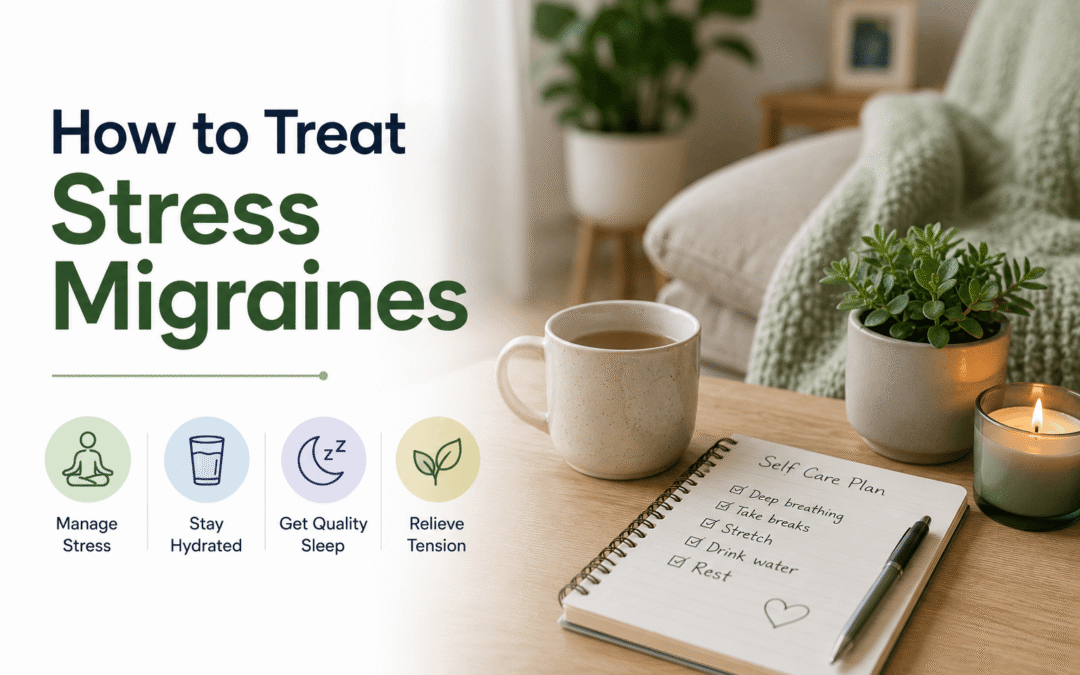
How to Treat Stress Migraines
Stress migraines are migraine attacks that may be triggered or worsened by stress.
Stress does not affect everyone the same way, and it is rarely the only factor. Sleep changes, skipped meals, dehydration, hormones, bright light, certain foods, alcohol, and changes in routine may also contribute.
The best way to treat stress migraines usually includes a mix of acute migraine treatment, trigger management, regular routines, stress-reduction strategies, and medical assessment when migraines are frequent or disruptive.
If migraines are recurring, severe, or affecting work, school, sleep, or daily life, Infiniti Medical’s Headache & Migraine Clinic in NW Calgary can assess symptoms and discuss treatment options through a referral-based process.
What Are Stress Migraines?
“Stress migraine” is not a separate medical diagnosis. It usually means a migraine attack that happens during stress, after stress, or during a sudden change from high stress to relaxation.
A migraine is more than a regular headache. It is a neurological condition that can cause head pain and other symptoms.
Common Migraine Symptoms
Common migraine symptoms may include:
- Throbbing or pulsing head pain
- Pain on one side of the head or around the forehead, temples, or eyes
- Nausea or vomiting
- Sensitivity to light, sound, or smells
- Blurred vision or visual changes
- Dizziness or fatigue
- Pain that worsens with activity
Some people also notice warning symptoms before a migraine, such as mood changes, food cravings, neck stiffness, yawning, or visual aura.
Why Can Stress Trigger Migraines?
Stress can affect sleep, hormones, muscle tension, appetite, hydration, and daily routines. These changes may lower the threshold for a migraine attack in people who are already prone to migraine.
For some people, migraines happen during a stressful period. For others, the attack happens after the stress has passed, such as on a weekend, vacation, or after a deadline. This is sometimes called a “let-down” pattern.
Because migraine triggers vary, tracking symptoms can help identify whether stress is a consistent trigger or one part of a larger pattern.
How to Treat Stress Migraines
Treatment depends on your migraine pattern, medical history, medication use, and how often attacks happen. The following strategies may help some people, but they are not a substitute for medical care.
1. Treat the Migraine Early
Migraine treatment often works best when taken early in an attack, before symptoms become severe. Some people use over-the-counter pain relievers, while others need prescription migraine medication.
Medication is not suitable for everyone. If you are pregnant, have heart disease, high blood pressure, kidney disease, stomach ulcers, liver disease, or take other medications, speak with a healthcare provider before using migraine treatments.
If you need medication often, talk to a doctor. Frequent use of headache medication can sometimes contribute to medication-overuse headaches.
2. Rest in a Dark, Quiet Room
During a migraine, bright light, noise, movement, and strong smells may make symptoms worse. Resting in a quiet, dark room may help reduce discomfort while treatment takes effect.
Some people also find a cool cloth or cold pack on the forehead or neck soothing. Avoid placing ice directly on the skin.
3. Rehydrate and Eat If You Can
Dehydration and skipped meals can make migraine attacks more likely for some people. Sip water or an electrolyte drink if you have been sweating, vomiting, or not drinking enough.
If you can tolerate food, try a small balanced snack or meal. Avoid forcing food if nausea is severe.
4. Reduce Stress Triggers Where Possible
Stress cannot always be avoided, but the body may respond better when routines are more predictable.
Helpful strategies may include:
- Practising slow breathing or mindfulness
- Taking short breaks during long work periods
- Setting boundaries around screen time and workload
- Using relaxation exercises
- Stretching the neck and shoulders gently
- Spending time outside when possible
- Getting support for anxiety, burnout, grief, or chronic stress
Cognitive behavioural therapy, biofeedback, meditation, and yoga may help some people manage migraine-related stress triggers.
5. Keep Sleep, Meals, and Exercise Consistent
Migraine brains often respond poorly to sudden changes. A steady routine can help reduce avoidable triggers.
Try to keep a regular schedule for:
- Sleep and wake times
- Meals
- Hydration
- Caffeine intake
- Physical activity
- Screen breaks
Exercise may help some people reduce migraine frequency over time, but intense activity during an active migraine may worsen symptoms. Start gradually and choose activities that feel manageable.
6. Use a Migraine Diary
A migraine diary can help you and your healthcare provider identify patterns.
Track:
- Migraine days
- Pain location and severity
- Stress level before the attack
- Sleep quality
- Meals and hydration
- Hormonal changes, if relevant
- Weather changes
- Medications used
- Symptoms such as nausea, aura, or light sensitivity
Bring this diary to your appointment. It can help guide treatment and prevention planning.
When Should You See a Doctor for Stress Migraines?
You should speak with a healthcare provider if migraines are frequent, severe, changing, or interfering with daily life.
Consider assessment if:
- You have migraines more than a few times per month
- Headaches are becoming more frequent or intense
- Symptoms are changing
- You need pain medication often
- Migraines affect work, school, sleep, or family life
- You have nausea, vomiting, aura, dizziness, or vision symptoms
- You are unsure whether your headaches are migraines
When to Seek Urgent Medical Care
Seek urgent medical care if you have a sudden severe headache, weakness, confusion, fainting, fever with stiff neck, vision loss, trouble speaking, head injury, or a headache that feels very different from usual.
How Infiniti Medical Can Help
Infiniti Medical offers a referral-based Headache & Migraine Clinic in Calgary for patients with migraine and headache concerns. The clinic assesses headache patterns and may discuss treatment options based on the person’s symptoms and medical history.
Infiniti Medical’s headache clinic lists care for concerns such as:
- Chronic migraine
- Tension headache
- Cluster headache
- Cervicogenic headache
- Medication-overuse headache
- Chronic daily headache
If you need general medical care or are unsure where to start, Infiniti Medical also provides family practice and walk-in clinic services and an Infiniti Walk-In Medical Clinic in NW Calgary.
FAQ
Can stress cause migraines?
Stress can trigger or worsen migraine attacks in some people, but it is usually one factor among many. Sleep changes, dehydration, skipped meals, hormones, light, smells, and routine changes may also contribute.
How do you stop a stress migraine?
Treating early, resting in a dark quiet room, drinking fluids, eating if tolerated, and using prescribed or appropriate over-the-counter medication may help. If migraines are frequent or severe, speak with a healthcare provider.
Are stress migraines the same as tension headaches?
No. Tension headaches often feel like pressure or tightness around the head. Migraine may cause throbbing pain, nausea, light sensitivity, sound sensitivity, and worsening with activity. Symptoms can overlap, so assessment may be helpful.
What helps prevent stress migraines?
Consistent sleep, regular meals, hydration, exercise, stress-management strategies, and a migraine diary may help reduce triggers. Some people may also need preventive medication or other clinician-guided treatment.
Can I visit Infiniti Medical for stress migraines?
Yes. Infiniti Medical’s Headache & Migraine Clinic can assess recurring migraine symptoms through a referral-based process. The clinic also offers walk-in medical clinic services for general health concerns.
Need Help With Recurring Migraines?
Infiniti Medical’s Headache & Migraine Clinic in NW Calgary can assess headache patterns and discuss care options through a referral-based process.
Visit the Headache & Migraine Clinic Page
Trackbacks/Pingbacks